
The winter landscape maintenance tasks homeowners often overlook are the small preparations that protect plants and keep the yard clear: refreshing mulch, removing leaves and debris, pruning carefully, and making a final mow. In the Rocky Mountains, set the mower blade around 2 to 2.5 inches for that last cut before winter, and avoid walking on frozen or snow-covered grass.
It’s easy to focus on the first snowfall and miss leaves tucked beneath shrubs or spread across the lawn. A thick layer can trap moisture and block light, while bare soil around plants leaves roots exposed to cold and freeze-thaw cycles. A little attention before and during winter helps prevent these problems from building up.
This guide covers pruning choices, often-missed yard preparation, recurring leaf cleanup, the final mow, and winter care for lawns and landscapes. You’ll learn what to tackle, what to leave alone, and how regular maintenance can keep your property tidier through the season and ready for spring.
1. Pruning trees and shrubs
Winter is a useful pruning window for some trees and shrubs. With leaves gone, crossing branches, crowded growth, and damage are easier to spot. Start by removing dead or diseased branches, then thin crowded growth from the center outward. This opens space without stripping away healthy growth. Dormant-season pruning varies by species, so identify each plant before cutting.
What winter landscape maintenance tasks vary by USDA hardiness zone? Local cold, snow, and growing conditions affect which plants need protection and when pruning makes sense. Use each plant’s growth and flowering pattern to guide your choices instead of assuming every dormant plant needs the same cut.
Protect spring flowers by leaving spring-blooming shrubs alone in winter. Rhododendron, azalea, and lilac may already hold buds for the coming season, so cutting their branches can remove those flowers. Before pruning, identify the shrub and check whether it blooms on growth formed during the previous season. If you’re unsure, leave healthy branches intact until after flowering. Removing a clearly dead branch is different from shaping the whole shrub.
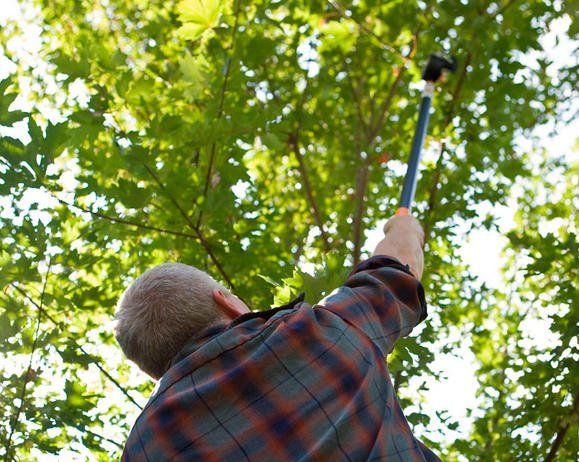
For plants that tolerate dormant-season pruning, winter can make their structure easier to assess. Remove dead or diseased wood first, especially branches that could break in a storm and damage nearby property. Next, look for crowded growth and thin from the center outward. Avoid cutting every branch to the same length. A large tree or a branch too high to reach safely calls for a professional, not an unstable ladder or improvised cut.
Some plants are commonly pruned in winter, including ornamental grasses and crape myrtles. You can also remove the previous season’s foliage from herbaceous perennials such as hostas and coneflowers. Evergreen trees, shrubs, and hedges may be trimmed in winter, but their shape and growth habits still matter. Don’t treat every plant like a hedge. A cut that suits ornamental grass won’t necessarily suit a woody shrub.
Late winter can be a practical time to review dormant plants before spring growth begins, but the calendar alone shouldn’t determine when to prune. First identify the plant, check for spring flower buds, and distinguish dead wood from living branches. Then make selective, clean cuts while preserving healthy structure. Conditions and pruning needs vary between properties, so let the plants in your yard guide the work. Careful identification protects healthy growth and supports a tidier landscape as the next season approaches.
2. What Are Commonly Overlooked Items in Winter Yard Prep?
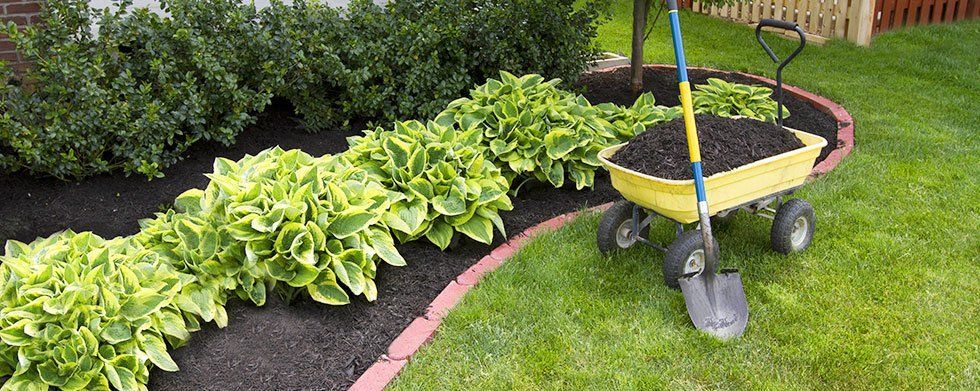
Mulch is easy to overlook after fall cleanup, yet it can help insulate roots through cold spells. In snow climates, spread 2 to 4 inches of mulch, bark, straw, or leaves over flower-bed soil. This layer helps reduce root stress during freeze-thaw cycles and keeps soil temperature more consistent. Refresh the mulch when the soil is warmer than 32 degrees, rather than spreading it over frozen ground.
Keep mulch away from plant crowns and tree trunks. A thick layer against a perennial’s crown can hold moisture where stems meet roots. Around trees, don’t pile mulch in a mound that changes the soil depth at the base. Contact can limit airflow and encourage fungal problems. Instead, spread mulch across the root area, leaving space around stems and trunks. The goal is insulation, not a buried plant.
Frost protection needs attention, too. If a frost warning threatens vulnerable plants, cover them with breathable cloth that reaches the ground and secure the edges. This helps retain warmth from the soil around the plant. Choose cloth that allows air to pass rather than sealing leaves under plastic. Remove the cover when the immediate frost threat has passed so plants aren’t left covered as temperatures rise.
Animals can also damage exposed garden plants in winter. A physical barrier around vulnerable shrubs or young plants can help keep browsing animals away from stems and foliage. Make sure the barrier doesn’t press tightly against the plant or trap wet leaves. Check it after snowfall or wind, since a shifted guard may leave stems exposed again. Careful mulch placement and barriers protect different parts of the plant.
Watering is another task that can fall off the winter checklist. Water plants around midday, giving moisture time to soak in before temperatures drop. If more than two weeks pass without snow, ice, or rain, water plants. Use cold or room-temperature water; hot water can shock roots and harm plants. In winter, water when temperatures are above 40°F. Focus on soil and root conditions, not a fixed routine that ignores precipitation.
Before the next cold stretch, walk through the garden and tackle one area at a time. Look for exposed roots, mulch piled against crowns, damaged plant covers, and dry soil beneath trees or shrubs. These checks help you spot problems early without disturbing dormant growth. Adjust protection to the weather and the needs of each planting area.
3. Recurring leaf cleanup and removal
Leaves can keep falling after the growing season ends. Wind and changing weather may scatter fresh leaves and small branches across the yard after an initial cleanup. Remove leaves before they mat down. Wet leaves can trap moisture, block sunlight, and create conditions that favor lawn disease. Keeping turf clear lets light reach the grass and helps prevent a dense, damp layer from lingering through winter.
Use a simple outdoor checklist after windy weather or snowmelt. Scan the lawn, garden beds, and spaces beneath shrubs. Collect leaves, twigs, and other debris from turf before they become packed into the grass. Check beneath spruce trees and crabapples, where leaf litter can shelter overwintering pests or disease. Don’t reuse diseased leaves as mulch, and remove plant clippings from the landscape.
How do you prevent and repair winter lawn damage? Keep leaves and debris off the grass, and limit foot traffic on frozen or snow-covered turf because it can compact soil and harm grass. Once the lawn is actively growing again, clear remaining debris and assess damaged areas before deciding what repair work they need.
Recurring cleanup matters because one pass may not catch every leaf. In areas without snow, clear debris and blowing leaves monthly or as needed. In snowy areas, let weather and visibility guide the timing: clear accessible spaces when conditions allow, then inspect again after snow melts. Properties with many trees may need more attention than open yards. Removing leaves before they rot helps prevent them from smothering grass.
Leaf removal can be more involved than a quick rake around the patio. A thorough cleanup covers lawn edges, beds, and debris gathered beneath plants. On a heavily treed property, divide the work by area to spot missed patches. Seasonal property cleanups can restore order across the outdoor space and leave less debris trapped beneath later snowfall.
Snow presents a separate challenge. Avoid repeatedly piling snow on the same lawn areas, and keep foot traffic off frozen grass where possible. On-demand snow blowing can help older or disabled people who cannot clear it themselves. After snow falls, gently brush snow from shrubs and small trees with an upward motion. Clear drainage paths, too, so melting snow can move away instead of pooling beside plants.
Cleanup timing depends on snow cover, wind, and safe access to the yard. After each thaw, look again for leaves and debris revealed by melting snow. A clear lawn and open drainage paths make it easier to see where further cleanup is needed and help keep winter debris from building up around plants.
4. Final mowing before winter
A final mow helps prepare turf for winter months, but cutting too short can damage grass. Set the mower blade around 2 to 2.5 inches for the last seasonal cut. This target keeps the grass from becoming excessively tall while avoiding a severe scalp. A shorter cut than usual is not a reason to remove more than the lawn needs.
Another recommendation is to mow about one inch lower than during the growing season. Use both guidelines together: adjust the regular mowing height downward by one inch, while keeping the final cut near 2 to 2.5 inches. If that adjustment would take the blade below the suggested range, don’t force the lower setting. The condition and length of the turf matter.
Make the last pass while grass is still growing and the ground is firm enough for the mower. Avoid mowing frosty or frozen turf, since brittle blades can break under foot or equipment traffic. If snow arrives before the lawn needs another cut, leave it alone rather than driving over frozen grass for a tidier look. A clean, even cut is more useful than mowing on a poor surface.
Fescue needs a decision based on growth, not a fixed date. It’s a cool-season grass, so a fescue lawn may keep growing during mild weather and need another mow before dormancy. In the Rocky Mountains, elevation and local weather affect when growth slows. Check the lawn’s actual height and condition; don’t assume every yard is ready for its final cut on the same calendar day.
If fescue continues growing, mow only when the grass needs it and conditions allow. Keep the blade at the appropriate final height instead of repeatedly cutting dormant turf. If the grass has stopped growing, another pass won’t help it prepare. If it remains actively growing, a careful mow can prevent long blades from folding over and leaving uneven patches through winter.
Before mowing, remove objects that could be struck by the blade, then check for leaves and small branches. Clear debris first so the mower can cut evenly. Make one steady pass across the lawn, then inspect for missed strips or scalped areas. Avoid sharp turns on soft ground, where mower wheels can leave ruts. These simple steps help reduce avoidable damage.
Pruning and mowing serve different purposes, so don’t use the mower to tidy plant beds. Keep the final cut within the lawn edge and leave shrubs, ornamental grasses, and dormant perennials for their own care. In a Rocky Mountain yard, the best timing depends on growth and weather. Finish when the grass still calls for a cut, not simply because winter is approaching.
5. Year-round landscape and snow services
Winter care doesn’t stop when the lawn goes dormant. Snow, ice, and thawing weather can affect the same property in different ways, so outdoor maintenance needs to adapt to conditions. Keep access routes clear, watch where meltwater flows, and avoid repeatedly piling snow onto one lawn area. These steps help limit avoidable stress before spring growth and summer lawn care return.
Manage ice carefully around turf and planting beds. Traditional deicers can harm grass and nearby plants when salt is shoveled or washed into the landscape. Use plant-safe ice melt where possible, applying it where needed rather than scattering it across the lawn. Shovel walkways early to reduce ice buildup, then move cleared snow away from vulnerable shrubs.
Snow placement matters. Repeatedly piling snow on the same patch can leave a heavy bank over dormant turf. When practical, remove snow banks and spread snow storage across suitable areas instead of concentrating it beside one bed. If snow rests on a shrub or small tree, brush it off gently with an upward motion. Pulling downward can put extra strain on branches.
Melting snow needs a clear path, too. Check low spots, walkways, and the edges of planting beds for blocked drainage routes. Clear leaves and other debris from channels that carry water away from landscaping. When meltwater has nowhere to go, it can pool around plants and freeze again as temperatures fall. Directing runoff away from beds helps reduce prolonged wetness and ice near roots.
A useful winter check follows each major snowfall and thaw. Look for packed snow against shrubs, icy walkways, blocked drainage paths, and banks repeatedly covering the same grass. Address problems revealed by the conditions. For example, clear a blocked channel after a thaw, then move snow away from the lawn if a bank keeps settling there.
Landscape maintenance changes with the season. Summer focuses on active growth and routine lawn care; winter shifts attention to snow, ice, and dormant plants. A property cleanup can also remove leftover leaves and debris before they become trapped under snow. Connecting these jobs makes the transition into spring easier to manage.
For a local approach to seasonal property upkeep, use the Rocky Mountain location information to find the area’s service location. Match winter removal and cleanup needs to your yard’s snow patterns, drainage, and planting areas.
Augusta Lawn Care: Landscape Maintenance
Augusta Lawn Care provides ongoing property maintenance, including lawn mowing, lawn care, leaf removal, and seasonal cleanups. These services can help when seasonal yard work is difficult to keep up with or you want regular maintenance.
Augusta Lawn Care locations in the Rocky Mountain region include Augusta Lawn Care of South Denver and Augusta Lawn Care of Edgewood. Contact Augusta Lawn Care to discuss maintenance needs for your property and connect with a local location.
Set a Steady Plan for the Seasons Ahead
A tidier yard starts with a plan you can carry from winter into spring. Use what you’ve noticed across your property to decide which areas need regular attention and which need occasional cleanup. A simple schedule for winter landscape maintenance tasks makes seasonal upkeep easier to organize, without turning every outdoor job into a last-minute project. Keep the plan flexible as weather and growth change.
Augusta Lawn Care offers lawn mowing, lawn care, and leaf removal to help with ongoing yard maintenance. Choose the support that fits the work you want handled, whether that means maintaining the lawn or clearing leaves from the property. Contact Augusta Lawn Care to find your local location and discuss your maintenance needs. A clear next step can help you move into the coming season with a yard that feels more manageable.
Frequently Asked Questions
What Are Commonly Overlooked Items in Winter Yard Prep?
Check less visible areas: beneath evergreen branches, around plant crowns, and along drainage paths. Leaves packed under shrubs can shelter pests and disease, while blocked channels can leave meltwater pooling near beds. Look for mulch touching trunks, frost covers that have shifted, and snow repeatedly stored over the same turf. A short walk after wind or thawing weather can reveal these missed spots.
What winter landscape maintenance tasks should homeowners do?
Prioritize tasks that respond to current yard conditions: clear leaf buildup, protect vulnerable plants, and keep drainage routes open. Prune only plants suited to dormant-season cuts, and leave spring-blooming shrubs such as lilac, azalea, and rhododendron untrimmed until flowering finishes. Mow fescue if it continues growing and the ground is suitable. Avoid walking across frosty turf, which can damage brittle grass and compact soil.
How often should you remove snow from trees and shrubs?
Check trees and shrubs after snowfall, especially when snow rests on smaller branches. Gently brush it off if branches are bent or weighed down. Use an upward motion to lift snow away rather than pulling branches downward. Don’t shake or strike frozen branches, since brittle wood can break. Leave large or high branches to someone equipped to reach them safely.
How do you protect plants from frost and winter wind?
Before a frost warning, cover vulnerable plants with breathable cloth that reaches the ground, then secure the edges. A cover that stops short can leave lower growth exposed. For wind-exposed shrubs, use a stable barrier that reduces direct exposure without pressing against branches. Check covers after gusts and snowfall, and remove or adjust them when conditions change so plants aren’t trapped beneath wet material.
When should you prune trees and shrubs in winter?
Prune suitable plants while they’re dormant, choosing the timing according to the plant rather than a fixed winter date. Start with dead or diseased branches, then assess crowded growth. Avoid winter pruning on lilac, azalea, and rhododendron because their spring buds may be cut away. Ornamental grasses and some dormant trees, including crape myrtles, are examples of plants that can be pruned in winter.
How should you water lawns, trees, and shrubs during winter?
Water during winter when temperatures are above 40°F, and choose midday so moisture can soak into the soil before it refreezes. If more than two weeks pass without snow, ice, or rain, water plants. Focus on trees, shrubs, and evergreens in Colorado. Use cold or room-temperature water, not hot water, which can shock roots. Avoid watering frozen ground or creating runoff across walkways.
Which deicers are safest for plants, pets, and concrete?
Choose an ice melt labeled for use around the surfaces and living things you need to protect, and follow its directions. Apply only where needed, keeping granules and salty runoff away from lawns, shrubs, and planting beds. Traditional deicers can damage turf and nearby plants when salt reaches them. Shovel early to reduce ice buildup, which can also limit how much deicer a walkway needs.
What safety precautions should you follow when clearing snow and ice?
Keep foot traffic off frozen or snow-covered lawns because it can compact soil and injure dormant grass. Clear walkways early, move snow away from drainage channels, and avoid piling it repeatedly over one lawn area. Brush snow from small trees and shrubs gently upward. Don’t climb or reach unsafely for high branches. Use deicer carefully, since salt carried into beds can harm nearby plants.