
Effective winter lawn care calls for a thoughtful approach to weed prevention. When managing your yard, the choice between pre-emergent vs post-emergent weed control depends entirely on the current condition of your turf and the specific weeds you are dealing with.
It can be frustrating to see unwanted plants return just as you are trying to keep your yard neat through the cooler season. A clear, strategic plan from Augusta Lawn Care helps you decide what to address right now and what to watch for as seasonal growing conditions change.
This guide explains how pre-emergent and post-emergent treatments differ, when to apply them, and what to consider when stubborn weeds persist. You will also find practical guidance for seasonal lawn care to keep your property looking its best all year long.
What Is Pre-Emergent Weed Control?
Pre-emergent herbicides target weed seeds before they germinate, rather than killing weeds already visible in the grass. In Southern California, the key is to apply the right treatment before the target weed starts growing.
Preventing Seed Germination
A pre-emergent treatment creates a barrier in the soil that interferes with germinating weed seeds. For crabgrass, this means seeds cannot develop roots and establish as visible plants. Unlike a post-emergent product, pre-emergent herbicides do not act on the leaves of existing weeds. They prevent growth, so timing must come before germination.
Preventing Weed Growth
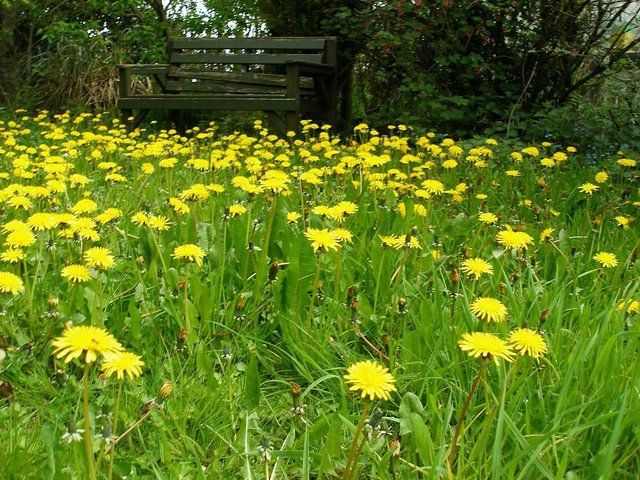
After application, the herbicide barrier works where weed seeds begin to grow. It prevents susceptible seeds from developing into young plants, but it does not remove established weeds or stop every weed type. Soil disruption, changing weather, and perennial roots can still allow weeds to appear. A visible dandelion, for example, needs a different approach from crabgrass seeds waiting in the soil.
Crabgrass and Broadleaf Weed Treatment
Crabgrass is a common target for pre-emergent control, but some products also prevent certain broadleaf weeds. Pendimethalin, for example, provides pre-emergent control of grassy weeds such as crabgrass and foxtail, as well as broadleaf weeds such as chickweed and spurge. Ingredients matter: one product may cover several targets, while another addresses a narrower group.
That difference explains the practical choice in pre-emergent vs post-emergent weed control. Pre-emergent treatment aims to prevent new growth from weed seeds; post-emergent treatment targets weeds that have already surfaced. Neither approach automatically controls every weed in a lawn.
| Option | Target | When it works | Main role |
|---|---|---|---|
| Pre-emergent | Susceptible weed seeds | Before germination | Prevent new weeds from establishing |
| Post-emergent | Visible weeds | After weeds emerge | Control existing growth |
Choose based on what you see: seeds that have not germinated call for prevention, while established weeds call for a post-emergent approach.
For Southern California lawns, timing depends on the target weed and its germination period, not simply the calendar. The Southern California lawn care region includes varied local conditions, so identify the weed and select a treatment labeled for that target and turf type.
Spot-treating weeds that persist after pre-emergent treatment
Pre-emergent treatment can limit new weeds, but it won’t control every species or remove established plants. When a weed appears, identify it first, then match a post-emergent herbicide to that weed and the surrounding grass.
There’s no single cost for pre-emergent and post-emergent herbicides across the United States. Product costs depend on the product and treated area, while professional application costs depend on the target weed and treatment needs; service pricing is provided after a quote request.
Selecting Herbicides for Target Weeds
Start with the weed, not the product name. A selective herbicide controls some weeds while leaving certain grasses unharmed, but it won’t control every species. A broadleaf herbicide may target dandelions without killing all types of grass. By contrast, a non-selective herbicide kills all vegetation it contacts, making it unsuitable for spraying across desirable turf.
Read the label for the target weeds and lawn type before treatment. Check whether the product is intended for visible weeds or prevention before seeds sprout. Applying a concentrated selective herbicide too strongly can injure desirable plants. For a dandelion growing in grass, a labeled selective option is more appropriate than a non-selective spray.
Controlling Visible Weeds
Post-emergent herbicides treat weeds after they appear. Depending on the product, the active ingredient works through direct contact with plant tissue or moves through the plant after absorption. This differs from pre-emergent treatment, which targets germinating weed seeds rather than visible leaves. A post-emergent treatment can spot-treat a clover patch that breaks through, but it won’t prevent new weeds from sprouting later.
Apply only to weeds named on the label, and follow its directions for the lawn type. Liquid products can cover leaf tissue, which helps explain their use for post-emergent treatment. Waxy leaves may shed spray; some products use sticker additives to help it stay on the leaf. Both product choice and correct application matter.
Monitor treated areas for weeds that persist or appear later. Soil disruption can weaken a pre-emergent barrier, while perennial weeds can return from existing roots. A breakthrough may also be a species the original treatment did not target. Note whether the plant is grassy or broadleaf and whether it returns in the same spot. These clues help distinguish a new seedling from a persistent root system.
- Identify the weed before selecting a herbicide.
- Match the product label to the weed and turfgrass.
- Use a suitable post-emergent treatment for visible, actively growing weeds.
- Reassess persistent growth rather than repeating an unsuitable treatment.
For help with ongoing lawn maintenance in the region, explore Southern California lawn care locations.
What is a Commercial Pre-Emergent Herbicide?
Commercial herbicides are selected based on the target weed, lawn type, and whether weeds have emerged. For an active outbreak, post-emergent treatment targets visible, actively growing weeds; recurring problems may call for prevention before seeds germinate.
Pre-Emergent Choices for Recurring Problems
For recurring weeds, choose a pre-emergent product that lists the target species and lawn type. These treatments aim to prevent susceptible weed seeds from germinating, unlike post-emergent products, which work on weeds already growing. Persistent or widespread problems may call for both approaches: prevention for new growth and spot treatment for weeds that break through.
Timing matters as much as product choice. A pre-emergent applied after seeds germinate won’t control those established weeds. In Southern California, identify the weed and its growth stage before choosing a seasonal treatment. A product labeled for crabgrass, for example, may not address an existing broadleaf weed outbreak.
Conditions That Reduce Effectiveness
Extreme temperatures and drought can reduce herbicide effectiveness while adding stress to the lawn. During hot or dry conditions, treatment choice and timing matter. A product that suits the weed may still perform poorly if conditions interfere with its intended use.
For visible weeds, post-emergent herbicides are most effective during an active outbreak, while weeds are growing and able to absorb treatment. Pre-emergent products serve a different purpose: they create a barrier against susceptible seeds before they germinate. Don’t expect either type to do the other’s job.
Grass Safety and Product Labels
Read the product label for target weeds and grass type before application. Selective herbicides control some weeds but not others; a broadleaf product may target dandelions without killing all types of grass. Non-selective herbicides kill all vegetation, so they can damage desirable turf wherever the spray lands.
Concentration matters, too. Applying a selective herbicide too strongly can injure desirable plants and turf. Follow the label’s application directions for the product and lawn rather than assuming a higher concentration will work better. The label also identifies whether the product is intended for pre-emergent or post-emergent control.
Application Timing and Precautions
After herbicide treatment, wait at least 24-48 hours before mowing or irrigating. That interval applies to herbicide treatment generally; follow the product label for any specific directions. Mowing or watering too soon may interfere with the product’s intended performance.
Safety starts with matching the product to the lawn and following label directions. Check that the herbicide is safe for the grass type and intended target. Avoid applying concentrated selective products too strongly, since they can injure desirable plants. Take care in extreme heat or drought, which can stress turf and reduce treatment effectiveness.
Timing pre-emergent applications
Pre-emergent herbicides create a soil barrier that interrupts susceptible weed seeds as they begin growing. Apply before germination, using soil temperatures and the target weed’s seasonal cycle to guide timing.
How long a treatment remains effective depends on the product. Follow the label for application directions and the repeat interval suited to the target weed’s germination period.
Soil-Temperature Application Timing
Soil temperature helps indicate when weed seeds are nearing germination. Pre-emergent herbicide is typically applied in early spring when soil temperatures reach about 55°F. Apply too early, and effectiveness may weaken before germination; apply too late, and crabgrass may already be establishing.
For a Southern California lawn, consider the target weed’s growth cycle alongside soil conditions. Seasonal weather can shift when seeds germinate, so a calendar date alone may not identify the right window. The goal is to establish the barrier before susceptible seeds start growing.
Seasonal and Fall Applications
Spring applications target weeds that germinate as conditions warm. Fall applications target winter annual weeds as temperatures cool. Poa annua, chickweed, and mallow are examples of winter annuals. Spring pre-emergent treatment does not control Poa annua or other winter annual weeds, so fall applications serve a different prevention purpose.
Poa annua starts germinating as soil temperatures fall below 70°F. The recommended prevention window is mid-August to mid-September in most areas. Treat these dates as a broad timing guide, then consider local conditions and the product label. A fall application is not interchangeable with spring treatment.
Repeat Application Timing
There is no single duration that applies to every pre-emergent product. The label provides application directions and the repeat interval. Match that interval to the target weed’s next germination period rather than assuming a treatment lasts through the entire growing season.
Spring prevention aimed at crabgrass and fall prevention aimed at winter annual weeds address separate cycles. Weeds appearing after treatment do not automatically mean another pre-emergent application is needed. They may have germinated earlier or belong to a species the product does not control.
Application accuracy matters as well. The Tomahawk TPS25 Backpack Sprayer holds six gallons, but capacity alone does not determine coverage. Calibrating sprayer flow and pressure for the product helps distribute it evenly across the intended area. Follow the label’s rate and directions instead of estimating from tank size.
Plan around the target weed’s germination season, current soil conditions, and label directions. This helps you apply treatment before seeds begin growing without treating fall and spring as the same window.
How pre-emergent and post-emergent weed controls work
The difference is the weed’s growth stage. Pre-emergent treatment interrupts susceptible seeds before they establish, while post-emergent treatment acts on weeds already growing. These methods address different points in the same cycle, so identifying whether a weed has emerged guides your choice.
A pre-emergent herbicide forms a barrier in the soil. As a susceptible seed begins germinating, the treatment prevents it from developing into an established plant. It does not kill weeds already present or prevent every species from growing. Soil temperatures help indicate when particular seeds may germinate, but the target weed determines which prevention window matters.
Post-emergent herbicides work on visible weeds. Contact products affect the plant tissue they reach, while systemic products are absorbed and move within the plant. Both approaches depend on an emerged weed being available for treatment. A clover plant, for example, can be targeted after it appears, but that application does not prevent later clover seeds from germinating.
Growth stage also determines how the two methods fit together. A treatment applied before seeds germinate addresses future growth, not a dandelion already visible in the turf. Conversely, treating that dandelion after emergence does not create a soil barrier against new seedlings. Persistent problems may therefore need prevention and targeted treatment, each chosen for the weeds present.
Weather and soil conditions can change the result. Temperature affects herbicide effectiveness, while extreme heat or drought can stress turf and reduce treatment performance. Soil disruption may also allow weeds to emerge through a pre-emergent barrier. A patch appearing after treatment could reflect disturbed soil, an established root system, or a weed type the product does not control.
Read the label to match the product with the right target and grass. Selective herbicides control some weeds without killing all turfgrass; non-selective products kill all vegetation they contact. A broadleaf herbicide may address dandelions while preserving certain grasses, but its label determines suitable targets and lawn types. Product names alone do not establish that match.
For visible weeds, application timing matters, too. Post-emergent herbicides work best when weeds are actively growing and have leaf area available to absorb treatment. Spraying a small, stressed plant differs from treating a vigorous outbreak. Leaf coverage, product type, and the target weed all shape the method, so follow label directions rather than increasing the concentration.
The practical takeaway is simple: use pre-emergent treatment to prevent susceptible seeds from establishing, and post-emergent treatment for weeds already growing. In pre-emergent vs post-emergent weed control, the deciding clue is whether the target has sprouted. Match the product to that stage, the weed, and the desirable grass nearby.
Augusta Lawn Care
Augusta Lawn Care’s Southern California location can help with routine property upkeep while you plan your lawn’s seasonal care. Lawn Mowing, Lawn Care, and Landscape Maintenance support a tidy, well-kept yard. These services complement your weed-prevention plan without replacing treatment decisions based on the weeds and conditions in your lawn.
If weeds keep returning, note where they appear and track the pattern over time. Augusta Lawn Care provides ongoing lawn care and property maintenance. Contact the team to discuss your maintenance needs.
Set a Practical Plan for Your Lawn
Let the weeds you see guide your next move. A newly emerging patch, a recurring problem, and established weeds can each call for a different response. Track where growth returns and how it changes through the seasons. That record can help you make more deliberate decisions about pre-emergent vs post-emergent weed control and routine lawn upkeep.
Healthy, dense turf leaves fewer openings for weeds to establish. Regular Lawn Care and Lawn Mowing help maintain the grass, while Leaf Removal clears fallen leaves that can cover the lawn. These services support general upkeep alongside a weed-control plan suited to the weeds and conditions on your property.
Choose a manageable next step, whether that means assessing a persistent patch or keeping up with seasonal care. Contact Augusta Lawn Care to discuss lawn care for your area. A steady, informed approach can help you care for your lawn with confidence.
Frequently Asked Questions
What Weeds Do These Treatments Target?
Target weeds vary by active ingredient, so two pre-emergent products may have different coverage. Pendimethalin, for example, can target goosegrass, barnyardgrass, fall panicum, henbit, and knotweed, in addition to other listed weeds. Use the product’s weed list to match treatment to the plants you expect. If you can’t identify a weed, a local Extension agent can help identify it from a photo or sample.
What about perennial weeds, like Thistle?
Thistle is a perennial weed, so existing roots can support regrowth even after visible growth is treated. Perennial weeds can be easier to target in fall, when they store carbohydrates in their roots as temperatures cool. This seasonal pattern differs from targeting winter annuals before germination. Identify the weed first, then select a post-emergent product whose label lists it as a target.
What is the difference between pre-emergent and post-emergent herbicides?
The practical difference is whether you’re planning around a seed or an established plant. For example, if you plan spring overseeding, a crabgrass pre-emergent may interfere with grass seed germination. A post-emergent treatment targets weeds already growing. Plan weed treatment alongside seeding rather than treating prevention and new grass establishment as unrelated tasks.
How do post-emergent herbicides kill weeds, and when should they be applied?
Post-emergent products affect weeds through contact with plant tissue or absorption into the plant. Apply them when the target weed is actively growing and has leaf area available to absorb treatment. For a scattered outbreak, focus treatment on identified weeds rather than assuming every plant in the area is the same species. Match the product to the target named on its label.
Which weeds are controlled by pre-emergent versus post-emergent herbicides?
Pre-emergent labels may list winter annuals such as Poa annua, chickweed, and mallow, or grassy weeds such as barnyardgrass and fall panicum. Post-emergent labels may include established perennial weeds such as thistle. The weed names on labels matter more than broad categories like “grassy” or “broadleaf.” Check for the exact species, since one product’s target list does not establish another product’s coverage.
Can pre-emergent herbicides harm grass seed, new lawns, or garden plants?
Yes. A pre-emergent barrier can interfere with grass seed germination, so spring overseeding may require skipping crabgrass prevention. Garden plants can also be affected if a product reaches them, depending on the label and application site. Keep seeding plans and nearby plantings in mind when planning treatment. The label’s listed turf types and use sites help determine where the product belongs.
What weather and temperature conditions are best for applying each type of herbicide?
Pre-emergent timing should follow soil temperatures and the target weed’s germination cycle, while post-emergent treatment targets actively growing weeds. Extreme temperatures and drought can reduce effectiveness and stress turf. For instance, a dry, heat-stressed lawn is not a setting where you should assume a treatment will perform normally. Follow the product label’s application directions and base timing on the target weed.
Which pre-emergent and post-emergent herbicides are labeled for common U.S. lawn grasses?
Use the label’s turfgrass listing to determine whether a product suits your lawn; don’t infer safety from a similar grass name. Check both the listed grass and the target weed, since the label must fit both intended uses. Pendimethalin is one pre-emergent ingredient with listed weed targets, but that alone does not establish that every formulation suits every lawn grass.