

Start with the weeds!
As we should in a place where we get so much rainfall. All landscapers and lawn care companies in the Bellingham area have their own method to get weeds out of your garden beds. A great way to do-it-yourself is to buy a simple push-pull hoe. Also known and marketed as a scuffle/stirrup hoe or stirrup loop. This is an effective and easy way to attack weeds at the roots, all you need to do is pick them up and throw them in your landscape bag! Another great thing about the push-pull hoe is that you are cultivating at the same time you are getting the weeds out of your beds.
Now that they're gone, KEEP THEM GONE!
Once you have a cultivated and weeded garden, it is time to get some preventative measures on the ground before you spread your soil of choice. Herbicide is a great way to have a weed-free garden. Round-up , crossbow or any glyphosate compound is a very effective way to keep the weeds down for months at a time especially when used with mulch. They are also very good against horse-tails and some of the more hardy weeds in the Bellingham area. If you have pets or kids that play around outside or in the yard there are still some great safe products you can use. Acidifying agents are on the market that are made from vinegars, salts and less harmful detergents that are still very effective. Another way to almost indefinitely prevent weeds is garden fabric. Laying one sheet of garden fabric is a sure way to keep weeds down, most fabrics on the market are water permeable too so you won't have standing water on your property!
It's time for mulch!
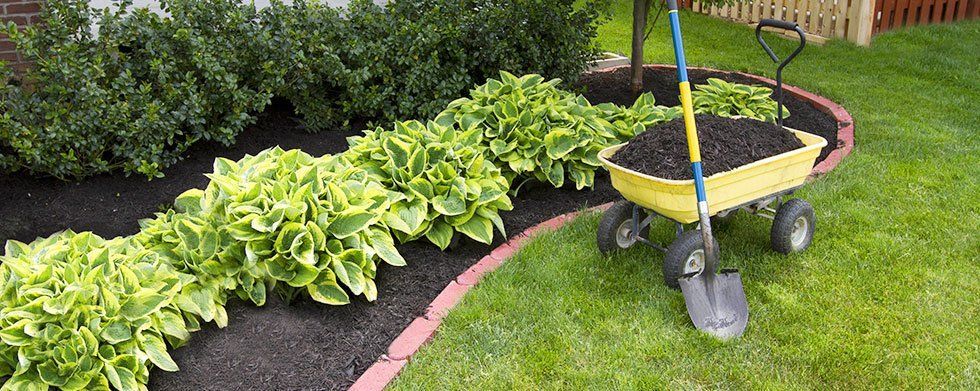
Once you have successfully prepped your garden beds you can go ahead and apply your favorite mulch! A typical depth of mulch used is 3-4 inches, that will generally last about a year until you will want to re-apply but you may even go up to 6 inches if you really want to suppress weeds for a substantial amount of time.

Recent Posts
