
The same care routine can stress one grass type while helping another. Adjusting lawn care for different grass types means matching mowing, watering, feeding, and seeding to the grass’s growth pattern, current weather, and amount of sun or shade. As a practical starting point, never remove more than one-third of the grass blade in a single mow.
It’s easy to assume a struggling patch needs more water or fertilizer, but shade, heat, and grass type all matter. This guide explains how to adjust routine care for warm-season and cool-season grasses, including what to consider when St. Augustinegrass grows in humid, shaded conditions. Learn how to set mowing habits, respond to dry or rainy weather, time feeding, and decide when to seed thin areas, so your approach fits the grass rather than following a one-size-fits-all schedule.
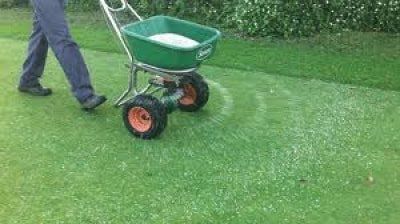
Fertilizing based on grass type and active growth
Time fertilizer for the grass that’s actively growing, not simply the calendar season. Cool-season and warm-season grasses follow different growth cycles, so identify the turf before setting a feeding routine.
-
Identify the Lawn Grass Type
Identify the permanent grass and any overseeded grass before choosing fertilizer. Check blade shape, growth habit, and whether the lawn grows most actively in cool or warm weather. If you’re unsure, compare several healthy patches rather than relying on one thin area. Cool-season grasses grow best in spring and fall, while warm-season grasses are most active in summer.
For an overseeded lawn, treat the temporary grass and permanent turf as separate growth phases. This helps prevent using one grass’s feeding schedule while the other is actively growing. Identifying both grasses also helps you interpret seasonal color changes.
-
Check Soil Test Results
Use soil test results to guide fertilizer choice and application rate. Consider the nutrient recommendations alongside the grass type and its active growth period. Avoid adding nutrients simply because leaves look pale; that alone doesn’t reveal which nutrient may be lacking. A soil test gives you a clearer basis for deciding whether fertilizer is needed.
Keep a record of test results and previous applications. Note whether each feeding was intended for overseeded grass or permanent turf. This makes it easier to track applications as one grass slows and another enters active growth.
-
Set Fertilizer Timing and Rates
Apply fertilizer during active growth, following soil-test guidance and product directions. Don’t transfer a rate from one grass type or region to another. Nitrogen needs vary with species, growing conditions, and maintenance goals, so there isn’t one annual rate for every lawn.
For St. Augustinegrass, the University of Florida Institute of Food and Agricultural Sciences (UF/IFAS) says fertilize in 2-6 applications from spring green-up through fall, or year-round in south Florida. That schedule is specific to St. Augustinegrass and its stated conditions, not a universal calendar for other grasses.
- Match weed, insect, and disease control to the grass type before choosing a treatment. Identify the affected plant or pest, then follow product directions for the listed turf species. A treatment suited to one grass may not suit another, so don’t assume a product for overseeded rye is also appropriate for permanent turf.
- Avoid fertilizing dormant grass, guessing rates based on another region, or feeding without considering soil-test results. These mistakes can stress turf or encourage growth at the wrong time. If overseeded grass is green while permanent turf is dormant, base the decision on the active grass and test recommendations.
Seasonal schedules vary with grass type and growing conditions. Cool-season grasses generally receive fertilizer during active spring or fall growth; warm-season grasses are fed while actively growing in warmer weather. Keep these cycles distinct when planning applications.
Mowing height and the one-third rule
Set the mower for the grass species, not a generic setting. For an Arizona winter rye overseed, account for both the rye and the permanent turf beneath it.
-
Set the Grass-Specific Mowing Height
Identify the grass in each section before setting the mower. Recommended heights vary: bermudagrass is 0.5 to 2 inches, while St. Augustinegrass is 2.5 to 4 inches. Cutting either at the other’s height can leave one type too short or too long.
Use these ranges as starting points for the named grasses, then consider active growth and lawn conditions. Tall fescue should be 3 to 3.5 inches in summer, while fine fescue should be 2.5 to 3 inches in summer. Keeping suitable leaf height helps protect the growing grass when heat and low moisture add stress.
-
Follow the One-Third Rule
Set your mowing schedule so each cut removes no more than one-third of the blade. For example, if grass reaches 3 inches, don’t cut it below 2 inches in one pass. Cutting more at once can stress the grass and leave it with fewer leaves to support healthy growth.
In summer, follow this rule especially closely when heat slows growth or moisture is limited. If the lawn has grown too tall, lower the height gradually over separate mowing sessions. Avoid scalping the turf to restore a preferred appearance in one cut.
- Match the mower height to the grass type rather than applying one setting everywhere. Kentucky bluegrass is generally mowed at 1.5 to 2.5 inches, and centipedegrass at 1.5 to 2 inches. Bahiagrass needs 2 to 4 inches. These differences matter in a mixed lawn, where a single setting may cut one species too low.
For broad guidance, cool-season grasses are commonly kept at 2 to 4 inches, while warm-season grasses range from 1 to 3.75 inches. Use the specific range when it’s available for the grass you’ve identified. That makes the broad group ranges a fallback, not a substitute for species-level guidance.
- For the first seasonal mow, cut about ½ inch shorter than the recommended growing-season height. Then return to the regular target and keep each later cut within the one-third rule. With a winter rye overseed, don’t assume the permanent warm-season grass and temporary rye share the same ideal height.
Keep the blade sharp and watch how quickly the rye and underlying turf grow as spring approaches. If you’re planning mowing around Arizona’s seasonal conditions, local Arizona Desert lawn care information can help put those seasonal considerations in context.
In North Carolina’s piedmont and coastal plain, common bermudagrass has a recommended mowing height of 0.75-2 inches. In North Carolina’s piedmont, zoysiagrass is recommended to be mowed at 0.75-2 inches.
Begin mowing warm-season grasses once they start actively growing, usually by late March. Apply the one-third rule when mowing starts, and use regional height recommendations for the grass and location.
Watering needs and drought management
Match watering to the grass that’s actively growing, the soil, and recent rainfall. Dormant turf beneath an overseeded area may need a different approach.
-
Set Watering Frequency and Amount
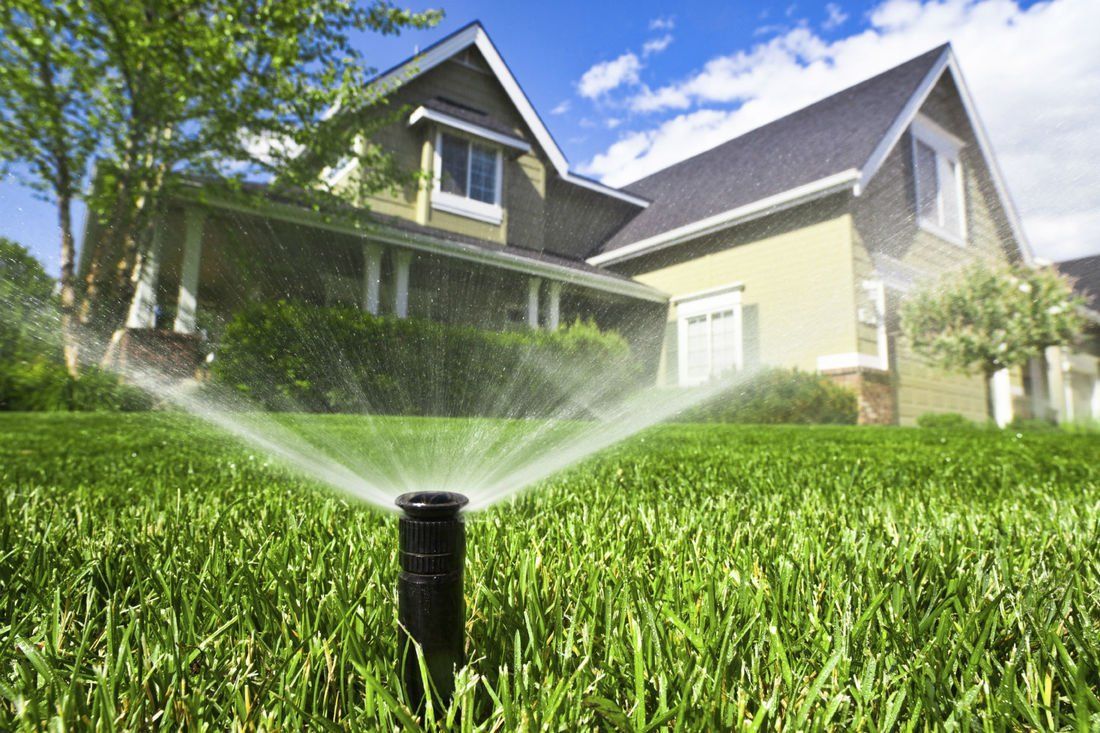
Use about 1 inch of water per week from rainfall and irrigation as a general starting point. A practical schedule is about ½ inch every 3 to 4 days instead of a light sprinkle each day. Count rainfall toward the weekly amount, and avoid running irrigation after rain has already supplied enough moisture.
Check whether water is reaching the roots, rather than stopping at the surface. A long screwdriver can help assess soil moisture: water should soak about 6 inches into the ground. If water runs off before reaching that depth, apply it more slowly or in shorter cycles, especially on compacted soil.
-
Adjust Watering for Local Conditions
Consider climate, soil type, shade, and community water restrictions before setting a routine. Hot, sunny areas lose moisture faster than shaded sections. Sandy soil drains more quickly, while dense or compacted soil can shed water. Adjust the amount and pace of watering to what the soil absorbs, rather than applying one schedule across the whole yard.
Regional rules may limit watering days or times, so follow the requirements that apply where you live. A cool-season overseed and dormant warm-season turf may have different water needs.
- Water in the early morning, between 6 and 10 a.m., to reduce evaporation. During summer heat, avoid relying on brief midday watering. If the surface dries quickly, check below the surface before adding more. Soil moisture and rainfall provide better cues than a temporary change in leaf color.
For winter rye overseeding, focus on the rye while it’s actively growing. As seasons change, reassess the lawn and adjust watering to the grass that remains active. Don’t continue the same schedule automatically when the underlying turf becomes dormant or begins growing again.
- During drought, avoid frequent, shallow watering that wets the leaves but leaves deeper soil dry. Water deeply, then let the soil and weather guide the next application. Dormant grass grows more slowly, so distinguish it from actively growing turf before increasing water. A brown appearance alone doesn’t show whether the lawn needs another watering.
When early spring growth returns, review rainfall, soil moisture, and which grass is active. Adjusting lawn care for different grass types means changing the routine as overseed and permanent turf move through different growth stages.
Recommendations can differ with weather and site conditions, so use soil moisture and rainfall to refine the schedule rather than treating every interval as fixed. One approach is to water lawns deeply once or twice a week rather than sprinkling lightly every day. Another recommendation is to water lawns with 1 to 1.5 inches of water 3 times per week, depending on the weather. Watering about ½ inch every 3 to 4 days is also recommended instead of watering a little every day.
As much as 50% of outdoor water is lost to wind, evaporation, and runoff from inefficient irrigation. Applying water slowly and checking whether it soaks into the soil can help reduce waste while keeping moisture available to active roots.
Augustine grass in humid conditions and shade
St. Augustinegrass stands out for its ability to handle humid conditions and shade. Compare that strength with each grass’s needs for sunlight, moisture, and traffic before planning care.
- Assess the shade and humidity in each part of your yard. St. Augustinegrass grows well in humid conditions and tolerates shade, so it can suit areas with limited direct sun. That doesn’t make every shaded patch suitable: note whether the ground stays damp, tree debris covers the blades, and how the grass responds through the season.
In Arizona, consider the specific yard’s conditions rather than applying a general rule to an entire region. A shaded, humid pocket may differ from an exposed area. Keep those sections distinct when planning mowing, watering, or overseeding.
- Match shade tolerance to the grass type. Fine fescue tolerates shade and can work beneath tree cover, while bermudagrass needs plenty of sun. St. Augustinegrass offers another shade-tolerant option in humid conditions. These differences matter: a sun-loving grass may thin under trees even when nearby sunny turf grows well.
Check the blades and growth in both shaded and open areas. If a shaded section stays thin, don’t assume extra fertilizer will solve the problem. The existing grass may not suit that light level, and debris or moisture patterns may also affect growth.
- Consider heat, drought, and foot traffic separately. Tall fescue has deep roots and tolerates drought, making it suited to high-traffic areas. Bermudagrass also tolerates drought but needs ample sun. Kentucky bluegrass grows best in cooler temperatures and requires more maintenance, so its strengths differ from those of warm-season grasses.
These comparisons help you avoid treating all season grasses alike. A busy sunny path, a shaded tree line, and an open, hot area place different demands on turf. Identify the grass and site conditions before choosing a care approach.
- Manage shade-related debris before it mats over the lawn. Remove fallen leaves and branches so grass blades can receive available light and air. Check after windy weather, when debris may collect beneath trees and conceal thin or damaged patches.
For overseeding, choose seed suited to the light conditions and existing grass. Fine fescue tolerates shade, while bermudagrass needs sun. Don’t spread a sun-loving mix in deep shade and expect it to perform like a shade-adapted grass.
- The main takeaway: St. Augustinegrass can handle humid, shaded conditions, fine fescue tolerates shade, and bermudagrass favors sunny sites. Tall fescue combines drought tolerance with suitability for high-traffic areas. Let shade, heat, moisture, and use guide decisions for each distinct part of the yard.
What are the main cool-season and warm-season lawn grass types in the United States?
Identify whether your permanent turf is cool-season or warm-season grass before choosing a care routine. Winter rye overseeding can add a temporary cool-season layer over warm-season turf.
- Recognize common cool-season grasses, including perennial ryegrass, tall fescue, fine fescue, and Kentucky bluegrass. These grasses grow best in cooler conditions, with an optimal temperature range of 50-75°F. Their growth often slows during summer heat, while winter rye may stay green over dormant permanent turf.
Kentucky bluegrass has dense, boat-shaped blades and requires more maintenance. Tall fescue has deep roots and tolerates drought. Fine fescue tolerates shade. These traits help you choose grass suited to the yard’s light, use, and growing conditions.
- Recognize warm-season grasses by their active growth during summer heat and dormancy in colder months. Common types include bermudagrass, St. Augustinegrass, centipedegrass, zoysiagrass, and bahiagrass. Their optimal growth temperature range is 75-90°F, so winter browning can be part of their seasonal cycle.
Grass species differ in where they perform well. Bermudagrass tolerates drought but needs plenty of sun. Centipedegrass grows slowly and does well in sandy soils. St. Augustinegrass tolerates shade and humid conditions. Match the grass to its growing site.
- Compare blade shape, growth habit, and seasonal color across the yard. Kentucky bluegrass has distinctive boat-shaped blades, while winter rye may appear as a temporary, actively growing layer. Check several healthy patches, since a bare or stressed area may not show the lawn’s usual grass type.
Some properties have different grasses in sunny and shaded sections. Fine fescue may grow beneath tree cover while another species thrives in open areas. Note where each type grows to help tailor care to each section.
- Separate temporary winter rye from the permanent grass beneath it. Rye is cool-season grass, while permanent warm-season lawns follow a different growth cycle. Green rye in winter doesn’t necessarily mean the underlying grass has failed. The two layers respond differently to seasonal changes.
As temperatures rise, observe which grass remains active and which begins its warm-season growth. This transition helps guide the timing of routine care. Avoid treating the overseed and permanent turf as one grass type throughout the year.
- Use the cool-season or warm-season category as a starting point, then consider the exact species and site conditions. Temperature, shade, soil, and intended use all affect which grass is suitable. Begin by noting where each grass grows and how it responds to seasonal changes.
For overseeded lawns, distinguish temporary rye from permanent turf as growth patterns shift. Keep the care plan focused on the grass currently growing, rather than applying one routine to both layers year-round.
Augusta Lawn Care
Augusta Lawn Care can help keep routine lawn care on track when winter rye and permanent warm-season grass need different seasonal attention. Its lawn care, mowing, leaf removal, and landscape maintenance services support ongoing property upkeep, including seasonal changes that affect grass growth and debris.
Consider reaching out when you need consistent mowing or help maintaining your property as overseeded rye transitions toward the warmer season. Describing your grass types, shaded areas, and current concerns helps focus the conversation on your lawn’s needs.
Contact Augusta Lawn Care to discuss lawn care for your property.
Make Your Next Lawn Care Choice Count
Treat the lawn as a changing part of your property, not a fixed routine. As seasons shift, note which areas stay shaded, dry quickly, or get more foot traffic. These observations can help you make more deliberate decisions about ongoing care. Adjusting lawn care for different grass types starts with recognizing what is growing and responding to its conditions over time.
If regular upkeep is taking more time than you can give it, Augusta Lawn Care provides lawn mowing, lawn care, and leaf removal to support your property’s maintenance needs. Choose the help that fits your yard and routine, then build a manageable plan.
Find your local Augusta Lawn Care location and take the next step toward consistent care. A well-kept yard starts with a practical plan you can maintain.
Frequently Asked Questions
What mowing height is recommended for each common lawn grass type?
Use the height recommended for the grass species, since ranges differ. Common guidance includes bermudagrass at 0.5 to 2 inches, St. Augustinegrass at 2.5 to 4 inches, centipedegrass at 1.5 to 2 inches, and bahiagrass at 2 to 4 inches. Kentucky bluegrass is commonly kept at 1.5 to 2.5 inches. In summer, tall fescue is kept at 3 to 3.5 inches and fine fescue at 2.5 to 3 inches.
How often should different grass types be watered, and how much water do they need?
A useful general target is about 1 inch of water weekly from rainfall and irrigation combined. One practical pattern is about ½ inch every 3 to 4 days, rather than light daily watering. Actual frequency depends on rainfall, soil drainage, shade, and heat. In Arizona, account for those conditions and any local watering restrictions. If the soil remains moist after rain, skip an unnecessary cycle; during dry weather, water deeply in the early morning.
What is the best time to overseed or establish each grass type?
For cool-season grasses, overseed in autumn, when warm soil and cooler air support germination and root recovery. Cool-season seed can also be sown in early spring. For warm-season grasses, sow seed in late spring, as the grass approaches its active growing season. In an Arizona lawn with winter rye overseeding, plan the rye for autumn and establish warm-season seed in late spring. Match the timing to the grass you intend to grow.