
For homeowners across the country, fallen leaves can quickly become a major yard cleanup task. As your trusted partner, Augusta Lawn Care knows that the best way to dispose of autumn leaves is to reuse them where practical, while clearing thick coverage from areas that need to stay open.
A large yard may include lawns, garden beds, and wooded edges, so one approach won’t suit every area. This guide explains how to manage leaves across those spaces, support soil and wildlife, and avoid harmful disposal methods. You’ll find practical ways to handle leaf piles and decide which leaves to keep or clear.
What Should You Do With Fallen Leaves Instead?
For many yards, the best way to dispose of autumn leaves is to compost them rather than send them away. Mow leaves with grass clippings, build a leaf-only pile, or use a municipal composting program. These options return organic material to the soil and keep thick leaf layers from smothering grass.
For a mixed compost pile, combine about 2 parts dead leaves with 1 part grass clippings. Add the leaves in layers, then turn the pile regularly to discourage pests. A top layer of leaves can absorb moisture from food scraps and help control odors. If you have more dry leaves than the pile needs, store them under a tarp and mix them with green material later.
A compost bin can be purchased or made from a breathable enclosure that contains leaves. To make leaf mold, pile the leaves, sprinkle them with water, and leave them to decompose. A chicken-wire frame or breathable container helps keep wind from scattering the pile. Leaf mold begins forming as leaves decay, but whole leaves can take a couple of years to break down fully.
Municipal options vary: some towns collect leaves at the curb, while others offer drop-off or pickup composting programs. Paper bags break down in compost, but plastic bags cannot go in a compost pile. Cities may specify which bags to use and when to set them out, so follow local collection instructions. Bagged leaves may be collected for composting through curbside pickup or a municipal drop-off program.
Walnut leaves can contain chemicals that limit plant growth, so they may be unsuitable for garden beds. To reduce pest issues, turn mixed compost regularly and avoid leaving a thick, wet leaf mat on the lawn. Keep leaf piles clear of streets, gutters, and storm drains, where leaves and debris can block water flow. The regional page for Augusta Lawn Care locations serving the Southeast Atlantic provides the broader regional context for local yard care.
Leaves can also help prepare a planting area instead of going straight into a compost pile. Layer them over cardboard or newspaper with untreated grass clippings, compost, mulch, and other organic matter. As these materials break down, they can smother grass and create soil for planting. For a quick organic mulch, mow autumn leaves with a bag attachment to collect a mixture of leaves and grass clippings. This puts both materials to use in soil-building rather than discarding them.
If the compost bin is full, use a local yard-waste collection option or wait until there’s room to add more material. Keep compost-bound leaves out of plastic bags, which cannot go into compost piles. Small twigs and branches that can be cut with hand clippers can also go in a compost pile, green cart, or paper yard-waste bags. Choose composting or yard-waste collection according to the materials and options available.
Shredded leaf mulch for perennial beds
Yes. Shredded autumn leaves can be used as garden mulch, or left in a pile to decompose into leaf mold. Shredding makes leaves smaller, so they settle around plants and break down more easily. Choose clean leaves from the yard, chop them with a mower, and spread them on garden beds.
On perennial beds, spread shredded leaves loosely around plants, leaving space around each crown. This keeps mulch from covering the point where stems emerge. Leaf mulch can help suppress weeds, hold soil moisture, moderate soil temperature, and protect roots from winter freeze-thaw cycles. It can also go beneath shrubs or around established flowers. Walnut leaves may contain chemicals that limit plant growth, so keep them out of garden beds.
On a lawn, mow a light layer of leaves in place with a mulching mower. If leaves remain large, set the mower to its highest setting and make a second pass crossways. Smaller pieces can settle among grass blades and decompose, returning nutrients to the soil. Don’t leave a thick, unshredded layer, which can smother grass. If the mower leaves clumps, rake them into beds or collect them for another use.
Shredded leaves also work well for sheet mulching a new garden bed. Cover the area with cardboard or newspaper, then add untreated grass clippings, compost, shredded leaves, and other organic matter. These layers help smother existing grass as they break down and build soil for planting. Chop the leaves so they settle instead of forming a dense mat, and keep the materials in place. This method can turn a grassy patch into a prepared bed without hauling away all the leaves.
Use extra shredded leaves around overwintering crops such as garlic or asparagus, or spread them over bare garden soil. Keep the layer loose so air and water can reach the soil. If a large yard produces more leaves than the beds need, save the surplus for later or use it in a separate leaf-mold pile. For help with seasonal yard work, find local lawn care locations.
Benefits of fallen leaves for soil and wildlife
As leaves decay, they become organic matter and nutrients that plants can absorb. Earthworms help process leaves in vegetable beds, and their movement loosens soil. A thin layer worked into garden soil can support this process. Keep leaves away from storm drains and streets so they stay in planting areas instead of washing into waterways.
Leaf cover also protects bare soil from weather and slows weed growth. Around cold-hardy vegetables such as beets, carrots, kale, and leeks, a loose layer can help buffer winter temperatures. In a vegetable garden, lightly dig leaves into the soil rather than leaving a dense mat. This lets soil organisms reach the material as it breaks down.
Leaves also offer shelter. Butterflies, moths, and caterpillars can overwinter among leaf litter, along with bumblebee queens and beetles. Salamanders and frogs may use covered ground for shelter, too. Rather than clearing every leaf from every corner, keep some contained in a garden bed or quiet edge area where they can remain undisturbed.
This habitat supports animals higher in the food chain. Insects sheltering in fallen leaves provide food for birds, turtles, amphibians, and small mammals. A patch beneath shrubs, for example, can preserve leaf cover while keeping walkways and the main lawn clear. The aim is not to leave a thick blanket across the turf, but to retain leaves where they benefit soil and wildlife.
Choose leaf-storage spots carefully. Keep piles out of streets, gutters, and storm drains, where they can block water flow or wash into waterways. Don’t pile leaves over plant crowns or where they cover paths. A sheltered bed beneath shrubs or around hardy garden crops is a more useful place for leaf litter.
For a large yard, sort leaves by where they’ll go. Leave a modest layer in selected garden areas, move suitable leaves around cold-hardy crops, and keep lawn grass clear of heavy coverage. This preserves habitat for overwintering insects while returning organic material to the soil. The result is purposeful leaf cover rather than unmanaged piles.
Environmental downsides of landfilling and burning leaves
Sending autumn leaves to a landfill uses space for material that can break down naturally. As leaves decompose in landfills, they release methane, a greenhouse gas that contributes to climate change. Composting raked leaves keeps that organic material available for soil instead of adding it to landfill waste.
Burning leaves creates a different problem: the smoke contains harmful compounds. Even a pile that looks dry can produce smoke as the leaves burn, affecting the air around homes and yards. Instead of lighting a pile, shred leaves for mulch or add them to compost, where they can decompose without open-burning smoke.
Is leaf burning legal? Rules vary, and some municipalities regulate leaf burning. Check your city or township’s rules before considering it. Parking a vehicle on fallen leaves also creates a fire hazard, so keep cars off leaf piles and clear leaves from parking spaces.
Leaves can cause problems even when they aren’t burned or sent to a landfill. As leaves decay in streets, they release phosphorus that can reach storm drains and waterways. Leaves and debris can also clog storm drains and contribute to flooding. Keep curbside piles away from drains and clear leaves from gutters so autumn runoff has an open path.
Once leaves enter creeks and rivers through storm drains, large amounts can reduce oxygen and degrade fish habitat. Keep this route in mind when deciding where to put a street-side pile. Keep leaves on your property, in a contained compost pile, or ready for municipal collection rather than letting them wash from pavement into a drain.
For a large yard, separate leaves from rubbish before choosing a disposal method. Compost suitable leaves, shred them for garden use, or use municipal leaf pickup where available. Avoid burning piles, leaving leaves in streets, or parking over them. These steps reduce smoke, protect waterways, and keep reusable leaves out of landfills.
Blowing leaves into owned woods or fields
A wooded edge or field can be a place to move fallen leaves when it is appropriate for your property. Don’t direct leaves into a neighbor’s woods, a public field, or land you don’t own. On your property, choose a contained spot where leaves won’t spread onto roads, paths, or neighboring yards.
Before starting, plan the route from the lawn to the destination. Choose a clear path that avoids garden beds, parked vehicles, and storm drains. Then move leaves toward the wooded area or field you own, working in manageable passes. This keeps the job organized and helps prevent leaves from scattering over parts of the yard you’ve already cleared.
Use the property’s natural edge as a guide. For example, move leaves from open turf toward a wooded boundary rather than gathering them in one mound near the house. Distributing leaves across an appropriate area keeps them away from walkways and maintained lawn. Keep them clear of gutters and drains, where they can block water flow.
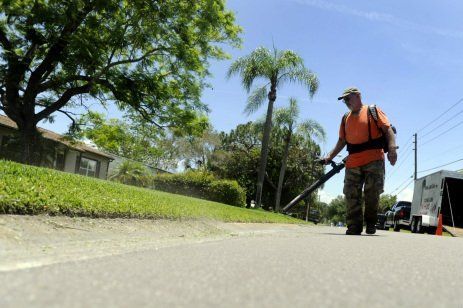
A leaf blower can move loose leaves efficiently across a large yard, but wind can undo your work. When possible, work in calm conditions and move leaves in the direction they need to go. If leaves are wet or packed together, loosen them first so you don’t keep pushing the same clump across the lawn.
Don’t use owned woods or fields as a dumping place for unrelated yard debris. Keep the area to fallen leaves and leave large branches out of the leaf flow. Small twigs can be handled separately, while large branches take longer to break down and may need different handling. Keeping the leaf area clear also makes later yard work easier.
The clear takeaway: use this option only on land you own, and direct leaves away from neighbors, streets, and drains. If the yard is too large to manage alone, find local help with seasonal yard cleanup and keep leaf movement focused on your property.
Before starting, confirm that the wooded or open area is part of property you own. A place that looks like a natural extension of the yard doesn’t establish ownership. If the boundary is uncertain, keep leaves on clearly owned ground instead of letting them drift beyond it.
Keep the drop area within that boundary as you work, and adjust the blower’s direction if leaves start moving toward land you don’t own.
Augusta Lawn Care
Augusta Lawn Care helps Southeast Atlantic homeowners manage leaf buildup alongside routine yard care. In this region, fall leaf drop can leave lawns, beds, and paths needing attention at the same time. Lawn Mowing, Leaf Removal, and Landscape Maintenance can support different parts of that seasonal workload.
For example, you may want to clear leaves from turf while keeping selected material in garden areas. That distinction matters in larger Southeast Atlantic yards, where open lawn, planting beds, and wooded edges may all need different care. A cleanup plan can focus on the areas you want kept clear.
Augusta Lawn Care locations include Augusta Lawn Care of Knoxville, Augusta Lawn Care of Bloomingdale, Augusta Lawn Care of Greenville, Augusta Lawn Care of Nocatee, and Augusta Lawn Care of NW Raleigh. Each location serves its community with maintenance services.
Decide what result you want before arranging seasonal work. You might prioritize clear paths, accessible lawn areas, or a tidier front yard, while leaving certain parts of the property undisturbed. Those choices help determine which areas need attention first.
Professional upkeep can help when recurring leaf fall makes several parts of a property difficult to manage. It can also be useful when leaves collect across lawns, beds, and paths at once. The right focus depends on your property and the areas you want maintained.
Augusta Lawn Care’s maintenance services can fit into that plan. Decide which areas need clearing and which leaves you want to keep for reuse. Lawn Mowing, Leaf Removal, and Landscape Maintenance can address different outdoor upkeep needs through the fall season.
If you’d like help managing fallen leaves across your yard, contact Augusta Lawn Care to discuss your cleanup needs.
Plan a simpler leaf season ahead
Choosing the best way to dispose of autumn leaves starts with a simple decision: which parts of your yard need clearing, and which can support soil or wildlife? Set that priority before the next round of leaves arrives. A clear plan can make seasonal upkeep more manageable, especially across a large property.
For areas that need regular attention, Augusta Lawn Care provides Lawn Mowing, Lawn Care, and Leaf Removal. The right focus depends on your yard and the work you want handled. Decide whether your priority is keeping grass clear, managing leaf buildup, or maintaining the property through seasonal changes.
There’s no need to make every part of the yard serve the same purpose. Choose the approach that fits your space and routine, then adjust as conditions change. If you’d like help planning leaf cleanup, contact Augusta Lawn Care about leaf cleanup. A practical plan can help you head into the next season with confidence.
Frequently Asked Questions
What’s the Difference between Compost and Leaf Mold?
Leaf mold is made from leaves alone, while compost can include leaves, grass clippings, and other organic material. To make leaf mold, pile leaves and let them decay. A compost pile uses a mix of materials, so leaves can provide the dry, carbon-rich part. For example, combine fallen leaves and fresh grass clippings in one compost pile.
Why Compost Your Leaves?
Composting turns fallen leaves into organic material that can be returned to garden soil. Leaves also add carbon, often called “browns,” to a compost pile, making them useful alongside green material such as grass clippings. Keep dry leaves beside your compost bin and add them as needed rather than trying to fit them all in at once.
What are the best ways to dispose of autumn leaves?
The best way to dispose of autumn leaves depends on your yard and how many leaves you have. For many homeowners, shredding leaves for mulch or composting them keeps useful organic material on the property. Municipal leaf pickup or a drop-off program may also be an option. Avoid burning leaves, and don’t leave thick layers on turf, where they can smother grass.
Can you compost fallen leaves at home, and how?
Yes. For a mixed pile, combine about two parts dead leaves with one part grass clippings. Add the materials in layers, then turn the pile regularly to discourage pests. If you have leaves but no green material ready, store the dry leaves beside the bin under a tarp. Add them later when grass clippings or other green waste are available.
How do you mulch leaves with a lawn mower, and is it good for grass?
Mow over a light layer of leaves to chop them into smaller pieces that can decompose on the lawn. For large leaves or a thicker layer, mow once, then make a second pass crossways. A thin covering can return nutrients to the soil, but heavy coverage can smother grass. If the mower leaves clumps, rake them off the turf.
Where can you take leaves for free or low-cost disposal?
Start with your city or township’s leaf collection information. Some municipalities provide curbside pickup, while others run leaf-composting drop-off or pickup programs. Whether a program is free, charges a fee, or accepts bagged leaves depends on the municipality. Before transporting leaves, check the program’s instructions for accepted materials, drop-off locations, collection dates, and approved bags.